News
When Extinction Is Crossed Out: The Dire Wolf Remus and a Turning Point in Science
Feb
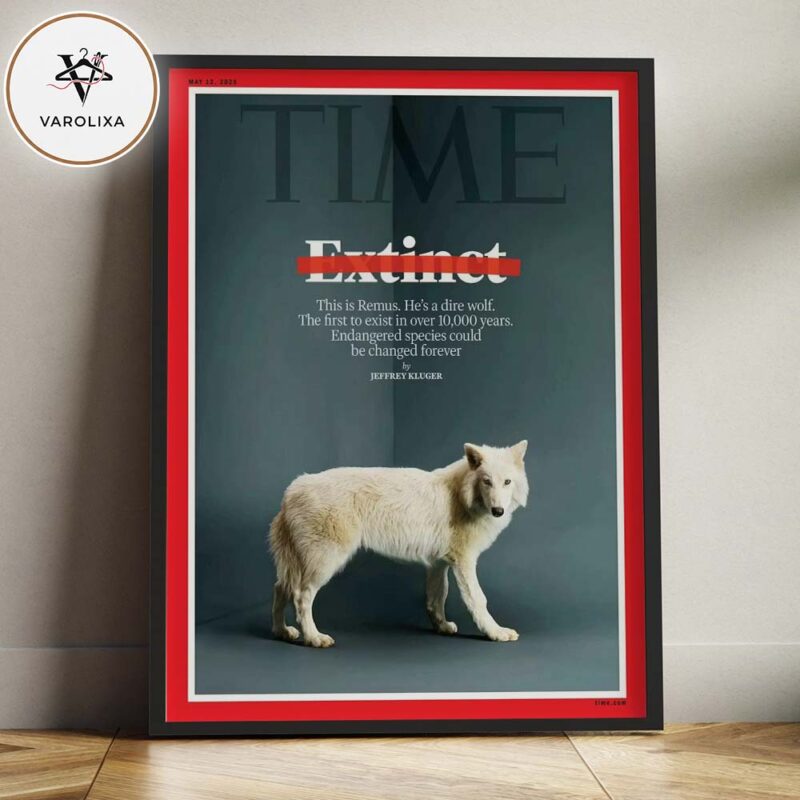
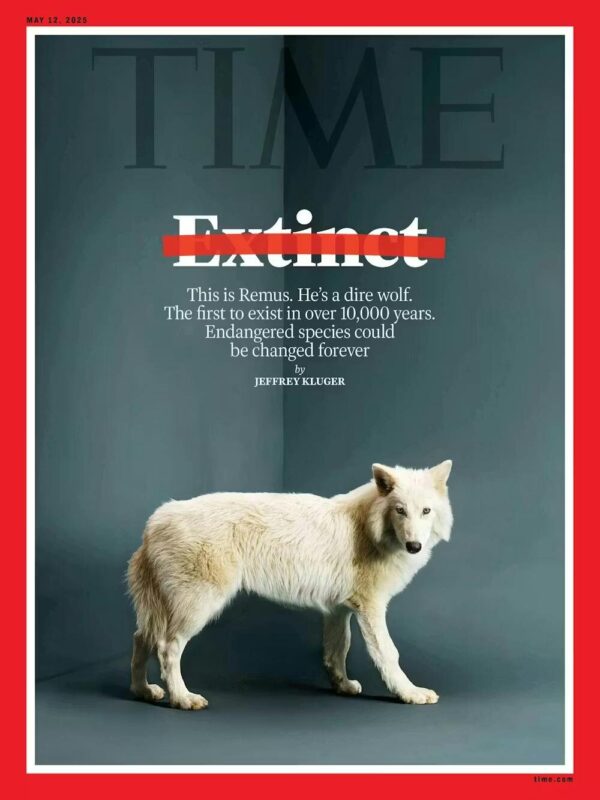
Extinction is supposed to be final. This image dares to challenge that belief in a single, unforgettable frame.
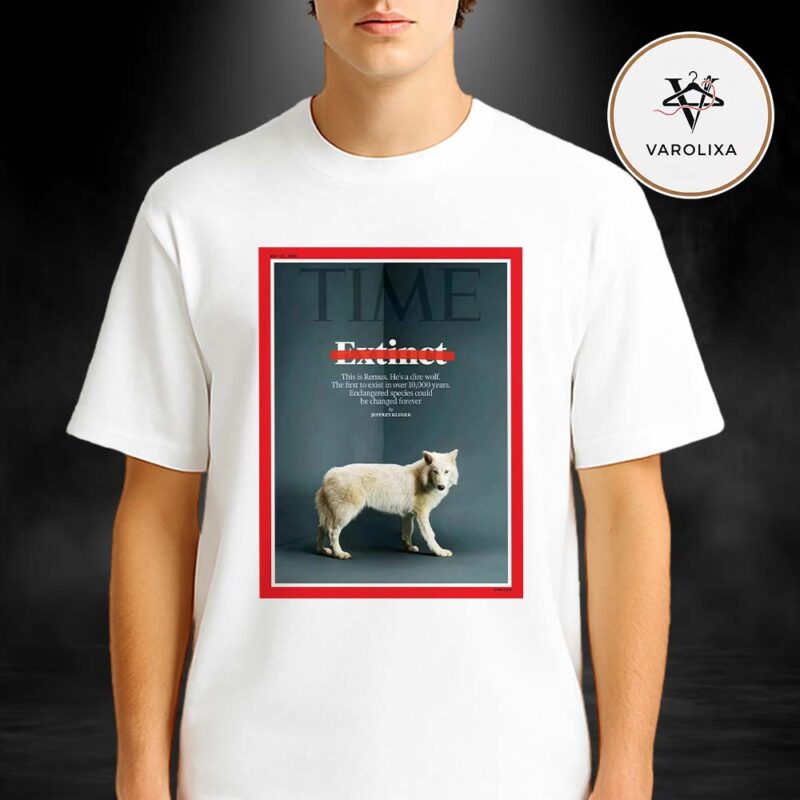
The TIME Magazine cover dated May 12, 2025 introduces us to Remus, a dire wolf once lost to history, now standing calmly in the present. With the word Extinct boldly crossed out in red, the image doesn’t just capture attention — it sparks a global conversation about science, responsibility, and the future of life on Earth.
The Dire Wolf Remus and the Return of a Lost Species
Dire wolves vanished more than 10,000 years ago, becoming legends etched into fossils and myth. Remus represents something unprecedented: the physical return of a species long believed gone forever.
This moment marks a shift from studying extinction to actively reversing it. The quiet stance of Remus contrasts sharply with the weight of the science behind him, reminding us that history may no longer be as permanent as we once thought.
Extinction Rewritten: Why This TIME Magazine Cover Matters
TIME Magazine has long captured defining moments in human history, and this cover stands among them. The deliberate red strike through Extinct is more than graphic design — it’s a statement.
This image signals a new era where biotechnology, genetics, and conservation intersect. It forces readers to ask difficult questions about where science should draw the line and who gets to decide which species deserve a second chance.
Cultural Impact: From Science Labs to Global Conversation
Much like major moments in world sports that redefine records and eras, Remus has become a symbol of human ambition. The image has crossed far beyond scientific circles into mainstream culture, media, and ethical debates.
For audiences accustomed to watching boundaries broken — whether in stadiums or on the world stage — this feels familiar. Humanity is once again pushing limits, rewriting what was once considered impossible.
The Ethics Behind Reviving the Dire Wolf
Bringing back the dire wolf isn’t just a scientific triumph; it’s an ethical challenge. Conservationists, scientists, and policymakers now face questions about ecosystems, unintended consequences, and responsibility.
If extinction is no longer final, does that change how we protect endangered species today? Remus stands at the center of that debate, calm yet powerful.
What Remus Means for the Future of Endangered Species
The cover’s message hints at something larger than one animal. It suggests a future where extinction could become reversible, altering conservation strategies worldwide.
This possibility could reshape how humanity approaches biodiversity, shifting from preservation alone to restoration — a concept as bold and controversial as it is hopeful.
Why This Image Will Be Remembered
Like iconic sports moments frozen in time, this image captures a turning point. The dire wolf Remus doesn’t roar or run; he simply exists. And that existence alone rewrites thousands of years of natural history.
This cover will be remembered not just as a photograph, but as a symbol of a world standing at the edge of a scientific revolution.
Final Thoughts: A Line Crossed, a Future Opened
The crossed-out word Extinct is both an invitation and a warning. It invites humanity to imagine new possibilities, while warning us of the responsibility that comes with such power.
Remus is not just a dire wolf. He is a question mark, a milestone, and a mirror reflecting how far we’re willing to go — and how carefully we must move forward.
If extinction can be undone, the future is no longer written in stone. It’s written by choice.
Check our latest products here: Varolixa, TIME